

Internationally celebrated social work scholar Dr. Michael Ungar has authored more than 250 academic articles and book chapters, but his latest work trades peer-reviewed processes for magic realism.
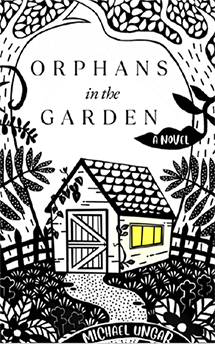
,听a novel released digitally in June and in paperback on Sept. 15, follows Rachel, a social worker who decides the child welfare system isn鈥檛 working for the kids in it. She takes matters into her own hands, turning her garden shed into a sanctuary for children seeking refuge.
This release听marks Dr. Ungar鈥檚 return to fiction 鈥� his first novel,听The Social Worker,听was published in 2011.听He writes fiction to reach new audiences and mobilize critical messages.听
 鈥淢ost of the people who are going to read the novel are never going to read an article in Child Abuse and Neglect,鈥� he says, referring to a leading journal in the sector.
Fiction lets him bring those readers into the conversation, and, he hopes, change how people 鈥渟ee and hear children鈥� who are homeless or caught up in the child welfare system.
鈥淚 had something to say that I wasn鈥檛 able to say in other forms,鈥� he says. 鈥淔iction can give you license to say things that you can鈥檛 necessarily write, even in popular psychology books.鈥�
In听Orphans in the Garden,听Dr. Ungar balances the serious themes of the novel with satire and magical realism 鈥� ultimately creating what he hopes is an enjoyable book for readers.听
鈥淚t鈥檚 not meant to be heavy. It鈥檚 meant to be readable,鈥� he says.听
By writing about kids who had an alternative to the system, 鈥渁 quiet space to escape to,鈥� Dr. Ungar says he could represent how young people often experience child welfare.听
鈥淜ids would say, 鈥業鈥檇 rather not be in the system. I鈥檇 rather be alone and on my own.鈥欌��
Sharing his craft
Dr. Anam Khan, a former PhD student of Dr. Ungar鈥檚, says the social worker鈥檚 decision to write a novel was a deviation from his usual work, but not a surprising one.听
鈥淗e wears many hats,鈥� she says.听
She recalls his storytelling side showing up while he supervised and taught.听
鈥淗e often emphasized how the narrative in our work should have a strong, purposeful flow,鈥� she says. "Applying this narrative principle to research is one of the most important lessons I learned from him.鈥�
I had something to say that I wasn鈥檛 able to say in other forms.
Outside the classroom, Dr. Ungar runs a workshop at academic conferences along the lines of 鈥渢urn your research into a bestseller.鈥�
He recalls one time he ran it at an international conference. 鈥淚 thought I鈥檇 get a dozen people if I听was听lucky,鈥� he says. Instead, more than 100 people showed up.听
鈥淎 lot of people were sitting on a book听idea,鈥� he says.听
Highlighting social work
Dr. Ungar says his main character is drawn from the best of the profession, inspired by the psychologists, youth care workers, guidance counsellors, and others he鈥檚 met along the way.听
鈥淚 think the best social workers read the novel and go, 鈥業 wish I had the resources to help kids in that way,鈥欌�� he says.听
He also says that social workers are often stereotyped and lack full characterization in stories, despite having a profound effect on many people鈥檚 lives.听
鈥淚t鈥檚 not a venue that most people will ever see or know anything about, the child welfare system.鈥�
What鈥檚 next
Dr. Ungar believes听Orphans in the Garden听covers the core principles he teaches in his scholarly work, but in a more playful way.听
鈥淚 would love it if my book was picked up by schools of social work as听a required听reading,鈥� he muses.听
I would love it if my book was picked up by schools of social work as听a required听reading.
He says fiction also rejuvenates his academic work. 鈥淚 write some fiction for a month or two, and then I feel refreshed when I go back to the academic articles,鈥� he explains. 鈥淚nspiration sometimes gets jiggled.鈥�
As for another novel, he says he 鈥渨ould never say never.鈥�
鈥淚f another character like Rachel happens to wake me up some evening... maybe I鈥檒l put their story down.鈥�